

📌 Introduction
Living on a low income doesn’t mean you can’t save money. With the right strategies, you can still build financial security, reduce stress, and even plan for your future. In this guide, we’ll share 10 proven and practical ways to save money on a low income — no fluff, just real results.

🧠 1. Track Every Dollar You Spend
You can’t manage what you don’t measure. Use a simple notebook, Excel sheet, or free apps like Mint or YNAB to track daily expenses.
💳 2. Prioritize Needs Over Wants
Distinguish between essentials (like rent and food) and non-essentials (like dining out or subscriptions). Cut down or eliminate what’s not necessary.
📋 3. Create a Realistic Monthly Budget
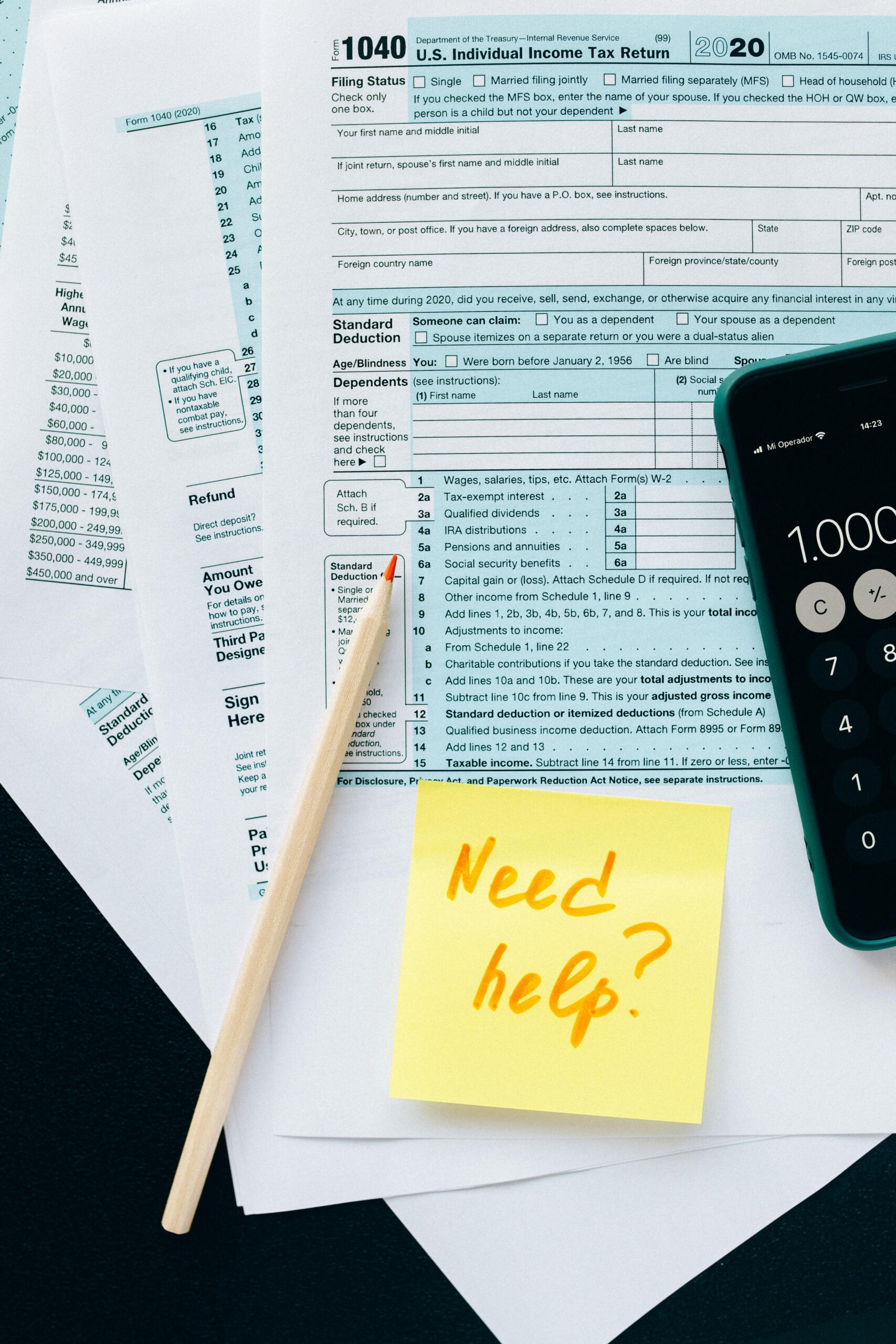
Build a budget that reflects your actual income and expenses. Allocate for food, utilities, rent, and savings — even $10/month makes a difference.
🛒 4. Cook at Home & Meal Prep
Eating out drains money quickly. Preparing meals at home is cheaper and healthier. Use budget-friendly recipes and plan your meals for the wee

🔌 5. Reduce Utility Bills
Use energy-efficient bulbs, unplug unused electronics, take shorter showers — small steps add up over time.
💰 6. Use Cash-Back and Discount Apps
Apps like Rakuten, Ibotta, or Honey offer cashback on shopping or find promo codes. Always check before you buy online.
🧾 7. Avoid Unnecessary Debt
Don’t take loans for non-essential purchases. If you use credit cards, pay them off in full monthly to avoid interest charges.
🛍️ 8. Buy Second-Hand When Possible
Thrift stores, Facebook Marketplace, and local sales can help you find what you need for a fraction of the cost.

💡 9. Automate Small Savings
Set up automatic transfers — even $5/week — to a savings account. Many banks allow this, and you won’t even notice it’s gone.
🎯 10. Set Small, Achievable Goals
Saving $500 in a year sounds hard, but $10/week is doable. Break down big goals into smaller, realistic ones.
🧩 Conclusion
Saving money on a low income takes discipline, patience, and smart planning — but it is absolutely possible. Even small habits, done consistently, can lead to long-term financial improvement.
