

How to Switch Credit Cards Without Damaging Your Credit Score
If you want to switch credit cards without hurting credit score, you need to do it carefully. Switching credit cards can be smart — maybe you’re chasing better rewards, lower fees, or improved benefits. But if you don’t handle it properly, it can harm your credit score. In this detailed guide, we’ll show you step by step how to do it the right way. If you want to switch credit cards without hurting credit score, follow these smart tips.
Why Switching Credit Cards Can Affect Your Credit Score
:
- Hard inquiries: Applying for new cards can lower your score temporarily.
- Credit utilization: Canceling a card reduces available credit, increasing utilization.
- Credit age: Closing old accounts can shorten your average account age.
- You can also get help from this via link.
- Secured Credit Cards That Report to All Three Bureaus

Steps to Switch Credit Cards Without Hurting Your Credit
Follow these practical steps to make the transition smooth and safe.
1. Check Your Current Credit Score
Before switching, check your score using apps like Credit Karma, Experian, or CreditWise.
Knowing your starting point helps you track any changes.

2. Understand Why You’re Switching
Ask yourself:
- Do you want lower interest?
- Better cashback or rewards?
- A balance transfer offer?
Knowing your reason helps you choose the right replacement card.
3. Compare New Credit Card Options
Look for cards that fit your goals and financial habits.
Key points to compare:
Reporting to all three bureaus
Annual fees
Interest rates (APR)
Rewards programs
Credit limit flexibility

4. Apply Strategically
Don’t apply for multiple cards at once — each hard inquiry slightly lowers your credit score.
Space out applications by at least 90 days if possible.
: 5. Keep Your Old Account Open (If Possible)
If the card has no annual fee, keep it open. This preserves your credit utilization ratio and account age.

6. Transfer Recurring Payments to the New Card
Move subscriptions (Netflix, Spotify, utilities, etc.) to the new card before closing the old one.
Missing a payment due to a card change can harm your credit history.
7. Pay Off Any Remaining Balance
Before canceling the old card, clear all outstanding balances.
A leftover payment can trigger interest or late fees.
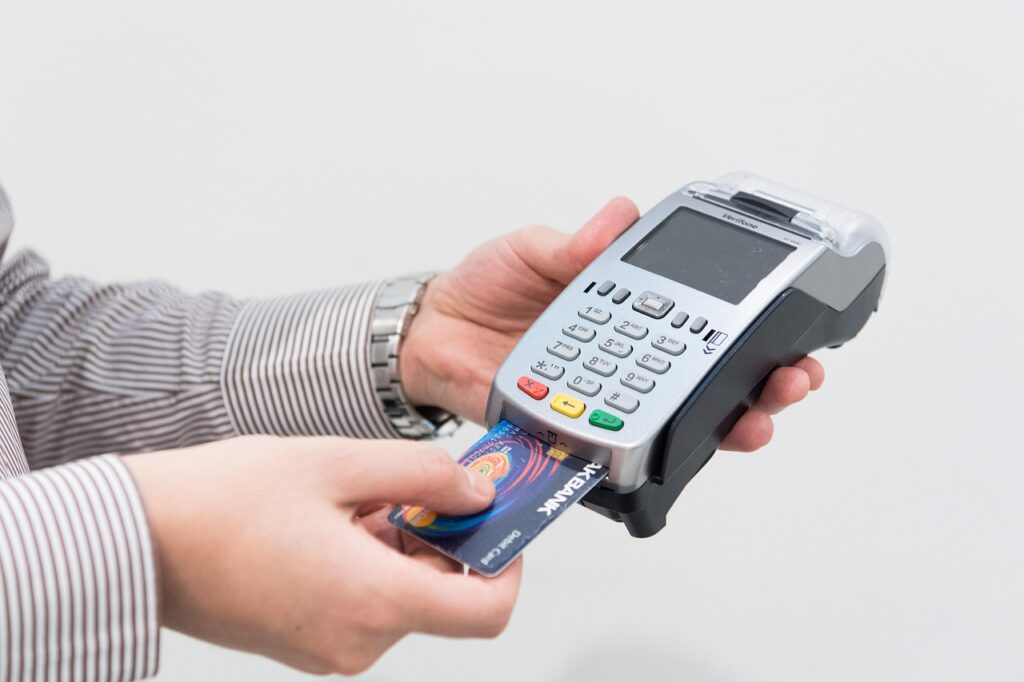
8. Request a Product Change Instead of Closing the Card
If your goal is better benefits, ask your current bank for a product change instead of canceling.
This keeps your account history intact — no hard inquiry, no credit damage.Many people don’t realize that you can switch credit cards without hurting credit score if you manage utilization properly.
Example: Upgrade from a standard Capital One Platinum to a Capital One Rewards card.
9. Monitor Your Credit After Switching
After switching, review your credit report in 30–60 days to ensure all updates are accurate.
You can use AnnualCreditReport.com or apps like Experian Boost.

Tips to Maintain a Strong Credit Score During Card Changes
- Pay all bills on time.
- Keep utilization below 30%.
- Avoid multiple applications.
- Use older accounts periodically.
How to Switch Credit Cards Without Hurting Credit Score Safely
Mistakes to Avoid When Switching Credit Cards
Even small missteps can lower your credit score temporarily. Avoid:
Ignoring your credit reports
Closing old cards too soon
Missing a payment during transition
Carrying a high balance

FAQs — How to Switch Credit Cards Without Damaging Your Credit
H3: 1. Will closing my old credit card hurt my credit score?
Yes, it can — especially if it’s your oldest account or has a high limit.
2. Can I keep my credit history if I switch cards with the same bank?
Yes, through a product change (no new account, same history).
3. How soon can I apply for a new card after closing one?
Wait at least 60–90 days for your score to stabilize.
4. What if I have a balance transfer offer?
Always pay off your old card balance before closing; transfer only if fees make sense. So yes, you can switch credit cards without hurting credit score by following these best practices.
External Resource
👉 Learn more about protecting your credit at the
https://www.consumerfinance.gov